The History of Mkambati and the Mkambati Land Trust
A Land Reclaimed - Mkambati Modern History
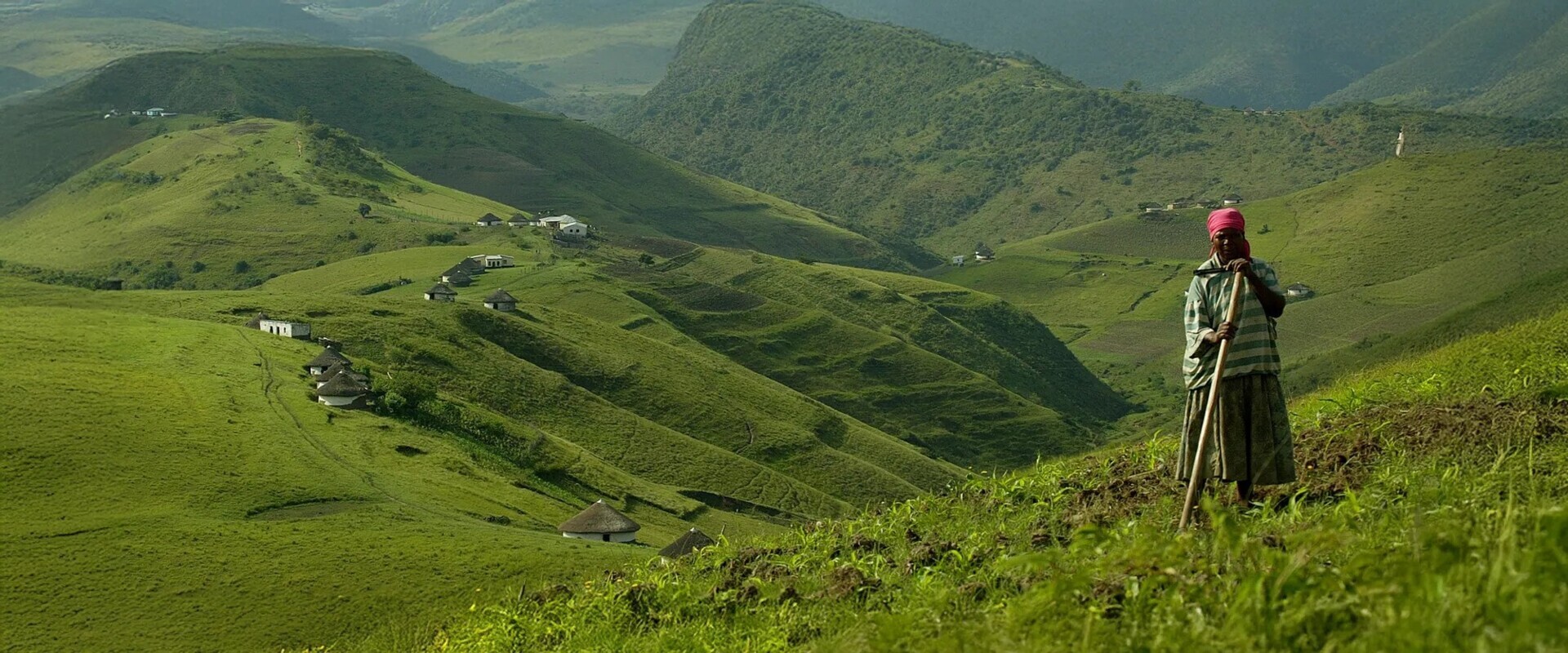
A Land Reclaimed - Mkambati Modern History A little over 100 years ago, the government forcefully evicted the community living on the land that now forms the Mkambati Nature Reserve, resettling them over 20km inland to make way for a hospital. In 1997, Mkambati became a provincial nature reserve, and wildlife was reintroduced.
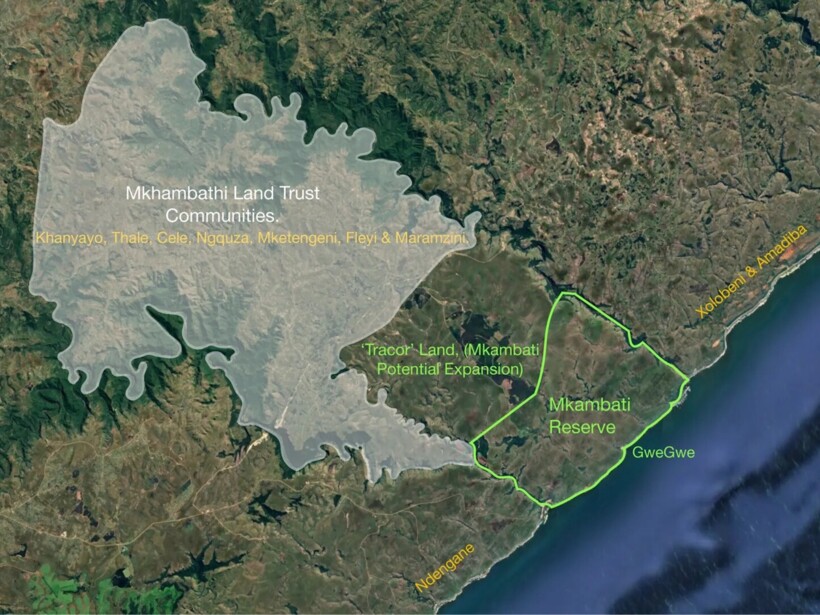
South Africa’s post-1994 land restitution legislation allowed those whose ancestors were forcibly moved after 1913 to claim back their land. In 2004, after extensive negotiations, the ownership of the reserve was transferred to the Mkambati Land Trust. From that day onwards, it became a private nature reserve, run for the benefit of the Trust and its 40,000 mPondo community members.
The Mkambati Reserve Transformation
These mPondo landowners chose to dedicate the reserve to conservation and nature-based tourism in perpetuity. Historically, Mkambati accommodation consisted largely of self-catering units, which created minimal employment and limited revenue for the community. Something had to change.
In 2013, the northern sector was leased to Mkambati Matters, following successful conservation models used in the Kruger National Park. This marked the beginning of a new standard for accommodation in Mkambati Nature Reserve — one that combines luxury tourism with tangible community benefits.
- Revenue Sharing & Job Creation: The terms of GweGwe Beach Lodge’s lease dictate that the Trust, ECPTA, and the NPO earn 10% of gross revenues, while the mPondo community benefits from significant job creation and subsidiary businesses.
- Conservation Funding: To fund the protection of the reserve and community upliftment, the Mkambati Conservation and Community NPC was formed. Beyond lease payments, 1% of GweGwe’s turnover and all guest fees accrue to this not-for-profit entity.
Real Impact for Mkambati’s Future
All Conservation and Community fees are managed by the Mkambati NPC, which has an independent board and a mandate to spend all funds solely on local projects. Despite these virtuous goals, some have challenged the traversing fees or spread misinformation about GweGwe. We choose to stay committed to what is right: building a sustainable tourism economy where high-end accommodation in Mkambati Nature Reserve serves as a pillar for long-term community benefit.
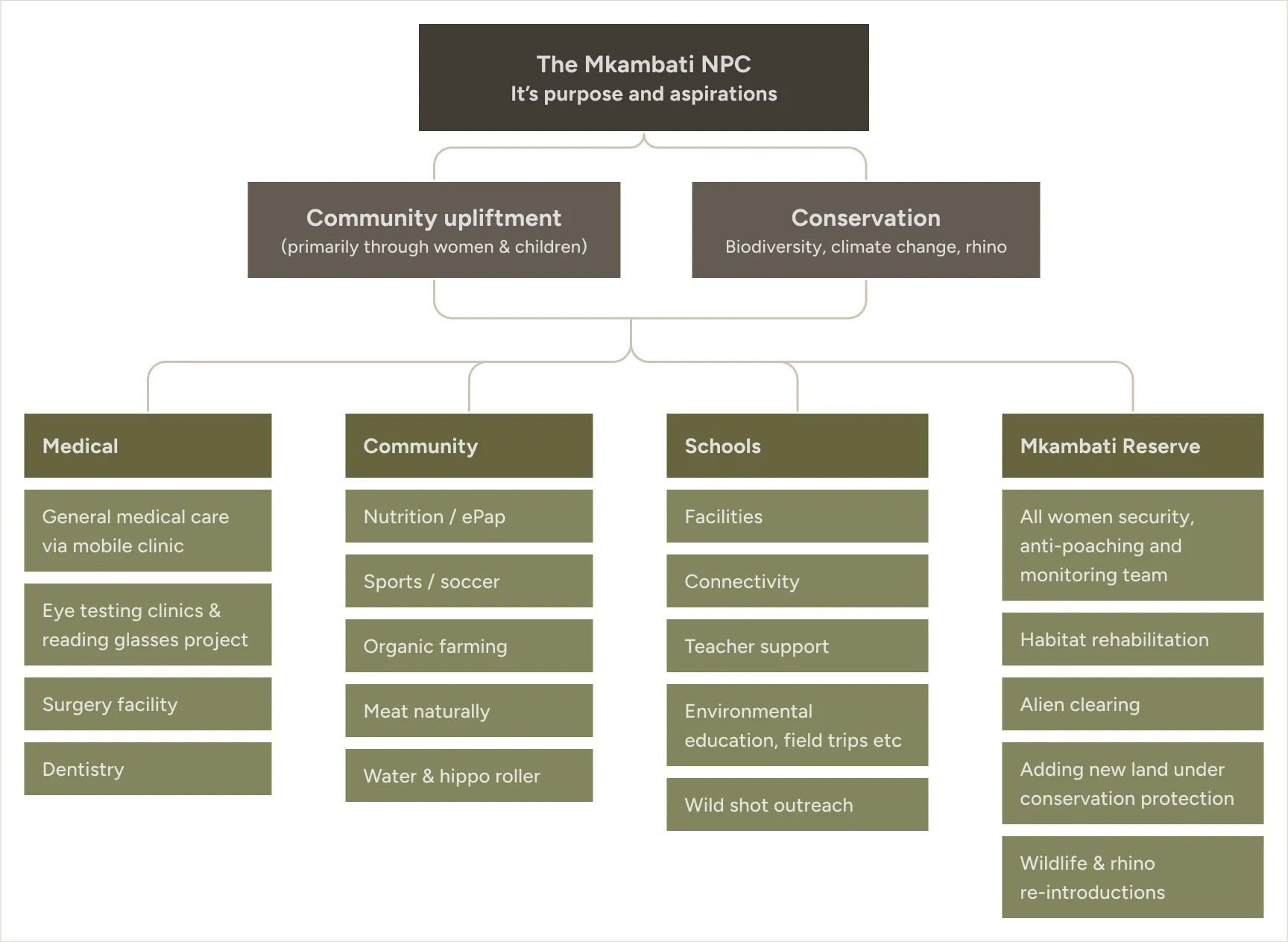
Our future projects via the NPC include free eye clinics, a mobile medical unit, and a dedicated all-women monitoring and security team inspired by the "Black Mambas" of Kruger National Park.
The People of Mkambati
Land, Legacy, and Mkambati Communities
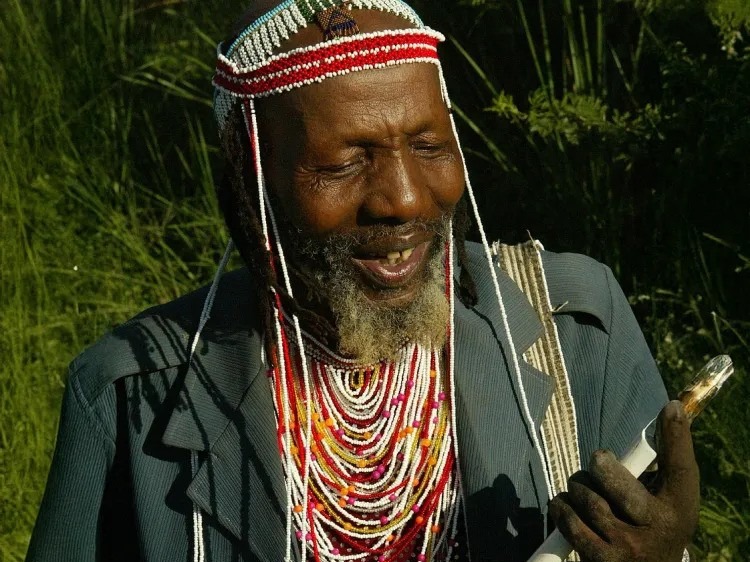
The communities whose ancestors were evicted now own the Mkambati Land Trust, which in turn owns the Mkambati Reserve. By choosing GweGwe, guests are not just booking Mkambati accommodation; they are supporting a land-restitution success story that protects both heritage and habitat.
Mkambati Accommodation
Experience Mkambati Stay Differently
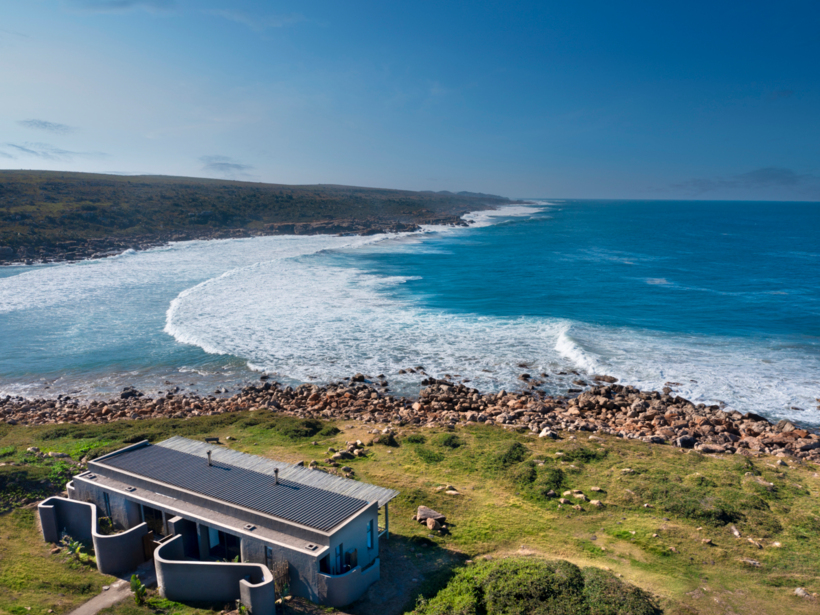
GweGwe Beach Lodge introduces a new benchmark for accommodation in Mkambati Nature Reserve — developed in partnership with the landowners and focused on sustainability. Moving beyond the traditional self-catering model, GweGwe offers a hosted experience that supports jobs, clinics, and environmental projects along this extraordinary stretch of the Wild Coast.
Mkambati Conservation & Community NPC
Preserving Pondoland
Through our non-profit organisation, we work hand-in-hand with local families to improve access to food, education, and healthcare.